BPOG Memorials

The Marlin Memorial: Honoring the Arrival

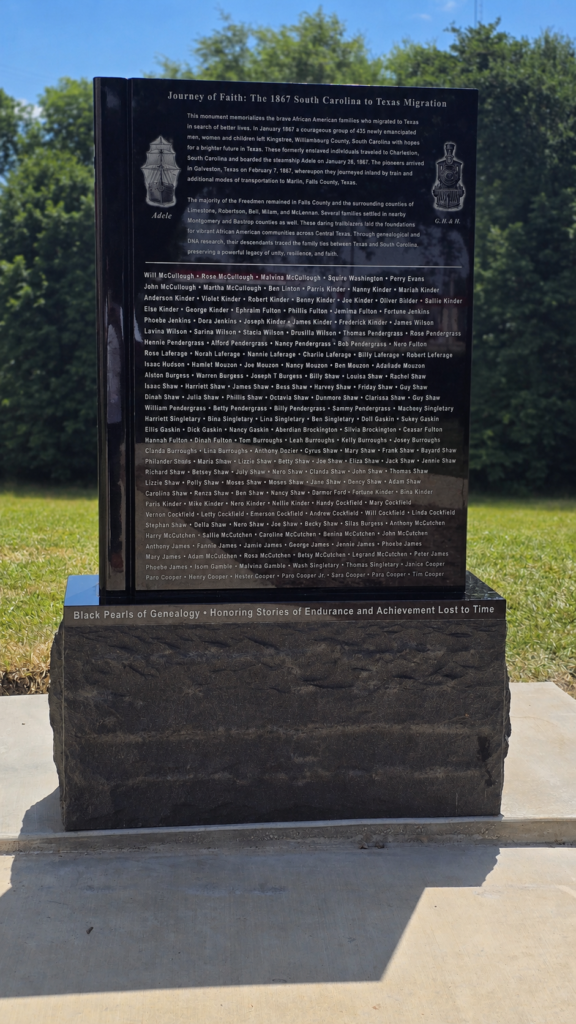
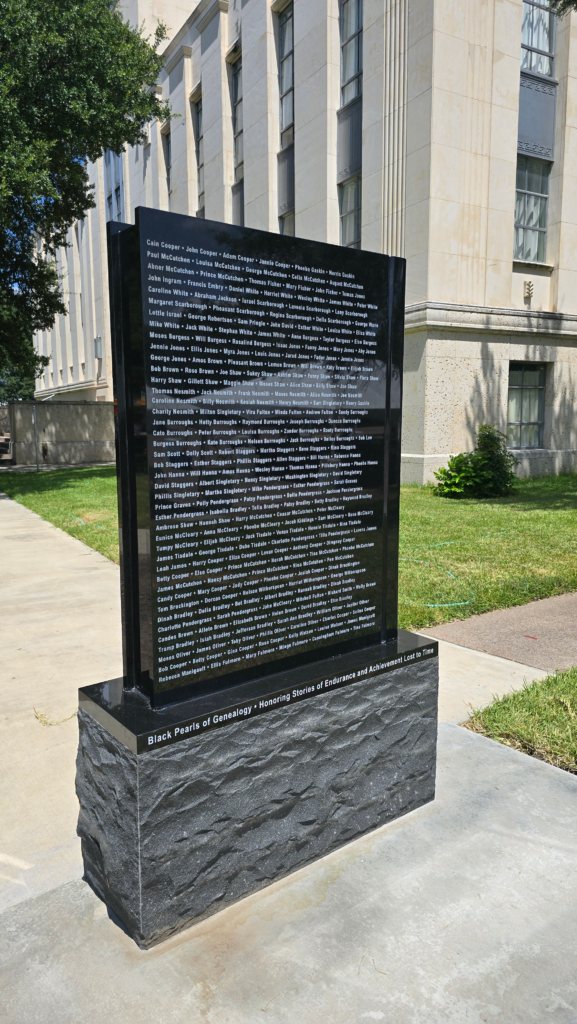
The Memorial Reads:

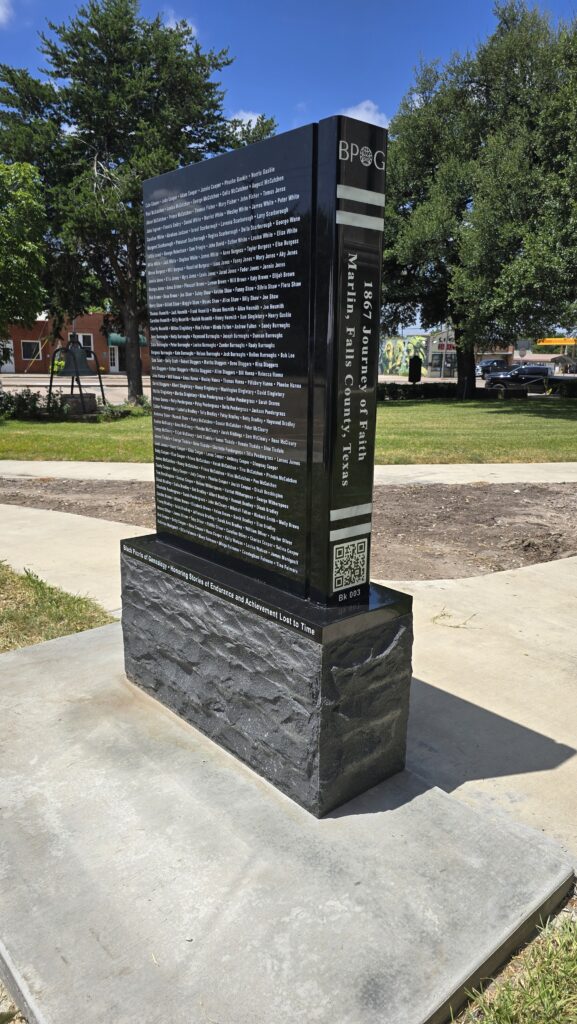
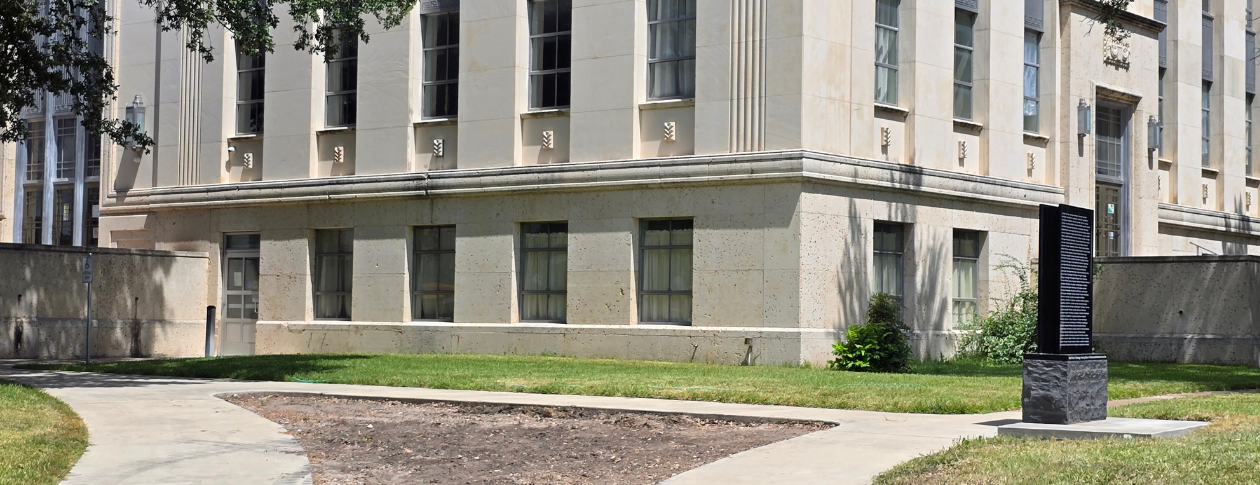
This memorial honors the 435 Freedmen who departed Kingstree, South Carolina, in 1867 and began new lives in Falls County, Texas. It is the second in a sister set of memorials, Kingstree being the first, ensuring their full journey is remembered.

In the summer of 1867, 435 freed men, women, and children from Kingstree, South Carolina, completed a long and uncertain journey west. Having petitioned the Freedmen’s Bureau for transportation, they traveled by rail and ship to Galveston, Texas, before continuing inland to Falls County. Here, they began building new lives in the face of hardship and opportunity, establishing roots that would shape Texas communities for generations. The Marlin Memorial Project honors their arrival and preserves the legacy of resilience and hope they carried with them.

The Black Pearls of Genealogy honors their story through a sister set of memorials:

Together, these memorials ensure the 435 Freedmen are remembered not just for where they came from, but for how they endured, rebuilt, and contributed to Marlin’s history.

Texas: A New Frontier for Freed People

Founded in 1851, Marlin became the center of Falls County’s cotton economy. By 1860, African Americans, nearly all enslaved, made up almost 40% of the population. After emancipation, planters faced collapsed labor systems and sought ways to restore cotton production. The upheaval came with the 435 Freedmen from South Carolina.

The Recruiters: James Sanford Jones &
Cornelius M. Summers

In 1867, as Texas planters scrambled to restart cotton after emancipation, James Sanford Jones and Cornelius M. Summers, both Falls County slaveholders, traveled to Kingstree, South Carolina, to recruit Black laborers. Leveraging planter networks and the mechanisms of Reconstruction, they orchestrated the mass relocation of 435 freed men, women, and children to Texas under contracts promising wages, rations, and housing. While framed as an opportunity, the scheme often reproduced plantation power through wage labor, sharecropping, debt, and restricted mobility.
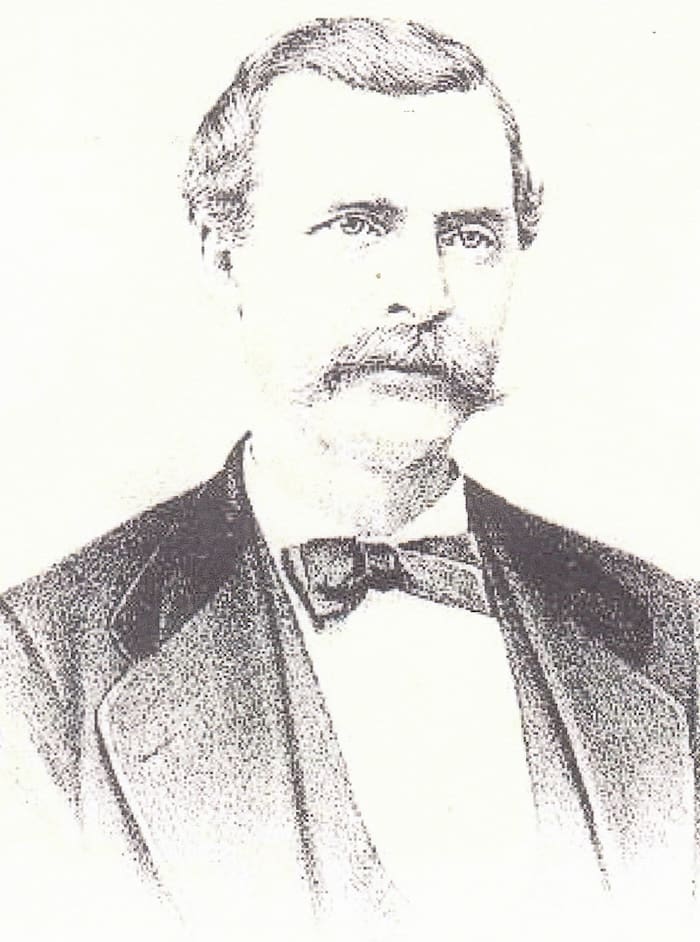
James Sanford Jones (1829–1880) was a planter in Marlin whose wealth came from enslaved labor and cotton. In 1867, he organized the recruitment of hundreds of freed people from Kingstree, South Carolina, arranging their transport by rail and sea to Texas, promising wages and rations while retaining planter control.


In 1867, he spearheaded the recruitment expedition to Kingstree, arranging transportation by rail, ship, and rail again to bring hundreds of freed men, women, and children to Falls County. Jones leveraged personal and planter networks to organize contracts, rations, and housing, framing the move as opportunity while continuing to control labor under restrictive terms.

Silhouette of Cornelius M. Summers

(no known photograph exists)

Cornelius M. Summers, also a pre-war enslaver and large landholder in Falls County, partnered with Jones on this endeavor. His cotton-producing estate, like others in the Brazos River basin, was severely undermanned following emancipation. Summers understood both the demand for skilled agricultural workers and the vulnerability of South Carolina’s freedmen, who faced limited employment and heightened racial violence in the Reconstruction South.

By collaborating with Jones, he sought to secure entire groups of Black laborers to repopulate Texas cotton fields. Summers capitalized on Freedmen’s Bureau transitional programs, designed to facilitate labor contracts, that, in practice, often perpetuated conditions resembling earlier bondage. Through this partnership, Summers ensured his plantations remained profitable, even as freed families worked under systems of wage labor, sharecropping, and debt peonage.

From Kingstree to Galveston, and Onward to Falls County

Settlement and Employment in Falls County

Upon arrival in Marlin, Freedmen signed labor contracts and began working cotton fields. Disputes over rations, wages, and working conditions were frequent, but communities endured, establishing churches, schools, and burial grounds that formed the foundation of Falls County’s Black heritage.

The group traveled from Kingstree to Charleston, South Carolina, and then by ship to Galveston, Texas. Upon arrival, they were transported to Falls County, Texas, to work under labor contracts facilitated by the Freedmen’s Bureau.

These contracts were designed to ensure fair wages and working conditions, marking a significant shift from the exploitative labor practices of slavery.

This relocation reflects the broader patterns of movement among freed individuals during Reconstruction, as they sought economic opportunities and autonomy in a rapidly changing social landscape.

The Freedmen’s Bureau’s role was instrumental in coordinating such efforts, aiming to provide support and structure during this transitional period.

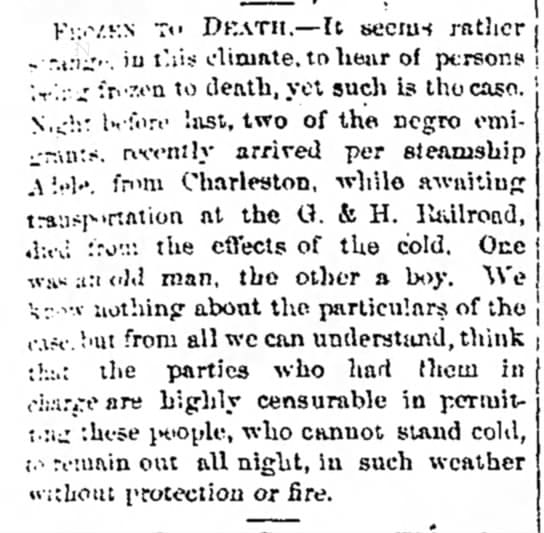
It seems rather strange, in this climate, to hear of persons being frozen to death, yet such is the case. Night before last, two of the negro emigrants, recently arrived per steamship Adele, from Charleston, while awaiting transportation at the G. & H. Railroad, died from the effects of the cold. 

One was an old man, the other a boy. We know nothing about the particulars of the case, but from all we can understand, think that the parties who had them in charge are highly censurable in permitting these people, who cannot stand cold, to remain out all night, in such weather without protection or fire.

Shared by Angela Shaw Ross

The 435 Freed People in Falls County

The Freedmen’s Bureau documented 435 men, women, and children listed by age and family groupings, their relocation, recording transportation orders, and employment contracts. These records show promises of rations, housing, and wages, terms that often favored employers.

Documents of Arrival and Settlement

Angela Shaw Ross: “Read Full Letter Transcription →”

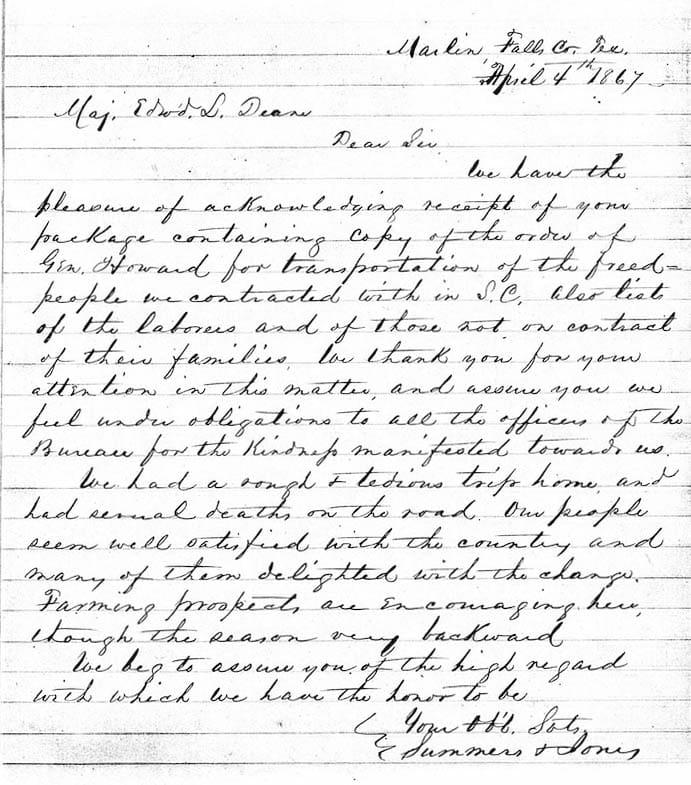
Marlin, Falls Co., Tex.
April 4th, 1867

Maj. Edwd. L. Deane

Dear Sir,

We have the pleasure of acknowledging receipt of your package containing copy of the order of Gen. Howard for transportation of the freed people we contracted with in S.C. (also list of the laborers and of those not on contract of their families). We thank you for your attention in this matter, and assure you we feel under obligations to all the officers of the Bureau for the kindness manifested toward us.

We had a rough & tedious trip home, and had several deaths on the road. Our people seem well satisfied with the country and many of them delighted with the change. Farming prospects are encouraging here, though the season very backward.

We beg to assure you of the high regard with which we have the honor to be, 

Your Obt. Svts.,
Summers & Jones

Meet and Contact the Project Team

Visit Our Sister Memorial - Kingstree, SC

Images provided by: Amy D. Pringle, Main St. Development Director

Town of Kingstree, SC

Please Help Support our Marlin, TX Project

Help us honor Marlin’s legacy with the Marlin, Texas Memorial—please consider donating via GoFundMe to support the design and installation,  of this meaningful tribute for future generations.

Scroll to Top